
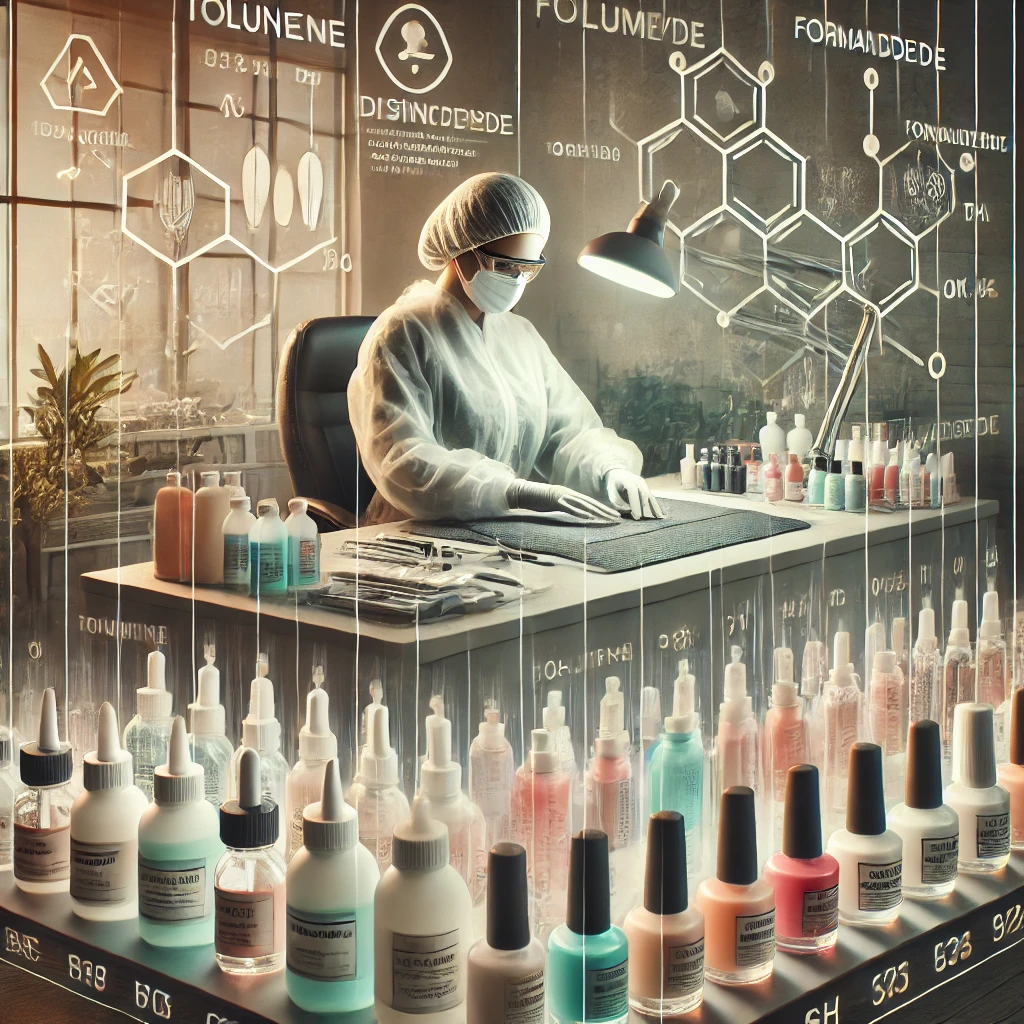

The Hidden Dangers of Nail Salon Chemicals
Nail salon workers are frequently exposed to an array of harmful chemicals found in products like nail polish, polish removers, adhesives, and disinfectants. Common toxic substances include:
• Toluene: A solvent used in nail polish for smooth application, known to cause headaches, dizziness, and long-term nervous system damage.
• Formaldehyde: A preservative and disinfectant, classified as a carcinogen, linked to respiratory issues and skin irritation.
• Dibutyl Phthalate (DBP): A plasticizer that enhances nail polish durability but is associated with reproductive harm and endocrine disruption.
• Methacrylate Compounds: Found in artificial nails and adhesives, causing skin irritation, allergies, and respiratory difficulties.
The cumulative effects of these substances create a hazardous environment, especially for workers who spend hours in poorly ventilated spaces.
Health Impacts Over Time
Prolonged exposure to toxic chemicals in nail salons can lead to a range of acute and chronic health issues:
• Respiratory Problems
Inhalation of chemical fumes can irritate the respiratory system, resulting in conditions like asthma and chronic bronchitis. Workers often report coughing, wheezing, and difficulty breathing.
• Skin Disorders
Direct contact with irritants can lead to dermatitis, rashes, and allergic reactions. Over time, repeated exposure can worsen sensitivity, leading to severe skin conditions.
• Reproductive Health Risks
Endocrine-disrupting chemicals like phthalates may increase the risk of hormonal imbalances, infertility, and complications during pregnancy.
• Cancer Risks
Exposure to carcinogens like formaldehyde increases the risk of developing cancers, particularly in the respiratory system.
• Neurological Effects
Chronic exposure to solvents such as toluene has been linked to neurological symptoms, including memory loss, confusion, and impaired motor skills.
Steps Toward Safer Nail Salons
Addressing these health risks requires a multi-faceted approach that involves employers, policymakers, and consumers. Here are some critical steps to ensure a safer workplace:
• Enhanced Ventilation: Installing high-quality ventilation systems can significantly reduce the concentration of harmful fumes.
• Safer Product Formulations: Manufacturers should be encouraged to produce non-toxic, eco-friendly nail care products.
• Protective Equipment: Gloves, masks, and protective eyewear should be mandatory for workers handling chemical products.
• Regular Health Screenings: Routine check-ups can help detect early signs of illness caused by chemical exposure.
• Worker Education: Proper training on handling and disposing of hazardous materials empowers workers to protect themselves effectively.
Conclusion
The health risks faced by nail salon workers are not merely occupational hazards—they are preventable issues that demand immediate attention. Exposure to toxic chemicals is a silent crisis that jeopardizes the well-being of those who form the backbone of the beauty industry.
By prioritizing ventilation, safer product formulations, protective equipment, and education, employers and policymakers can create a safer environment. Consumers can also play a part by supporting salons that prioritize worker health and choosing non-toxic products.
The beauty industry has the power to foster change by advocating for stricter regulations and making the well-being of its workforce a top priority. Together, we can ensure that the pursuit of beauty never comes at the cost of health.