
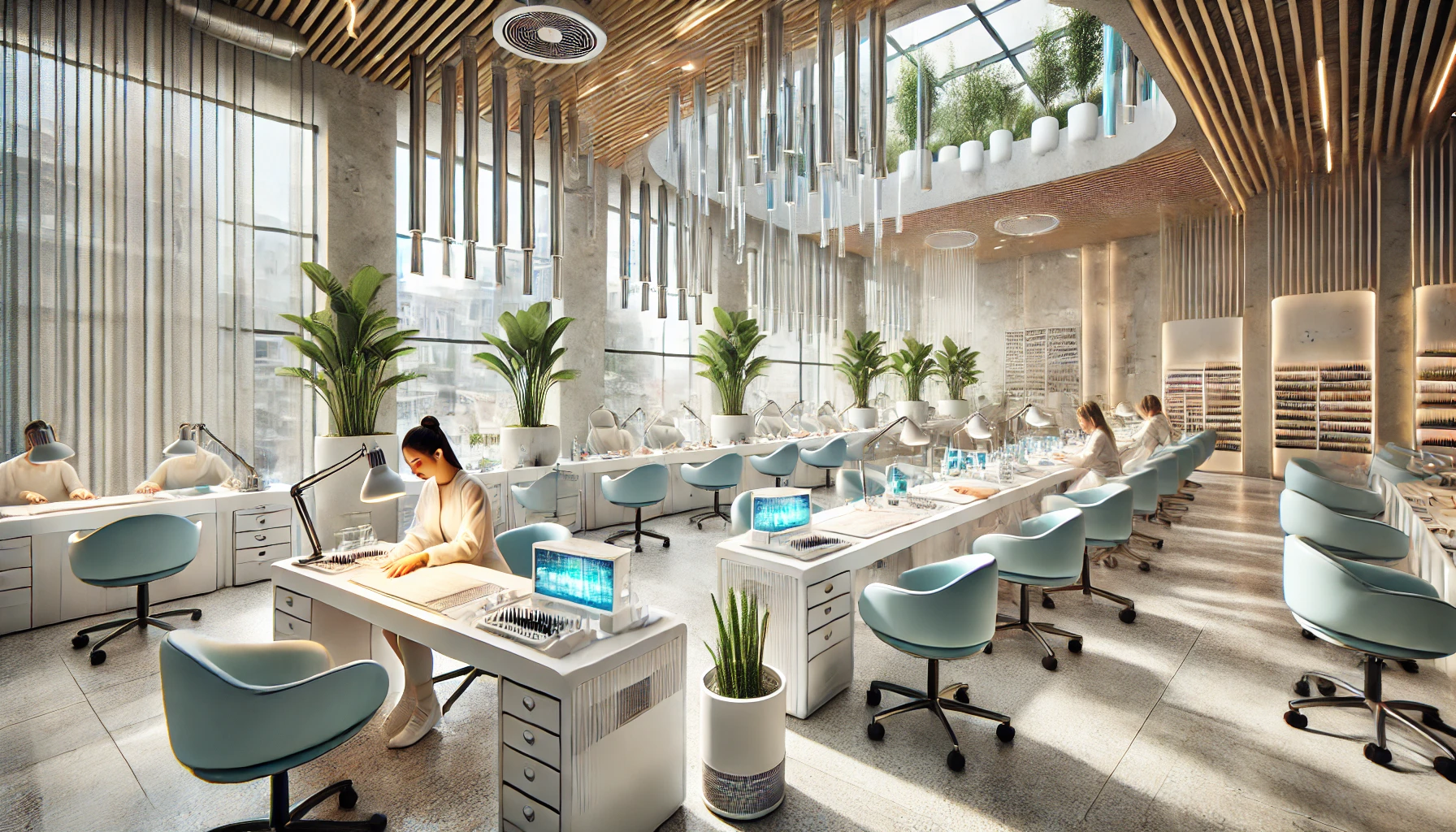

The nail salon industry is evolving rapidly, and one of the most critical aspects of this transformation is the focus on air quality. Nail salons often face challenges with indoor air pollution due to the chemicals used in various treatments, which can impact the health of both workers and customers. Here’s a look at how addressing air quality is shaping the future of nail salons.
1. Understanding the Air Quality Challenge
Many products used in nail salons, such as nail polish, removers, and acrylic powders, release volatile organic compounds (VOCs) and other harmful particles into the air. Prolonged exposure to these substances can lead to respiratory problems, headaches, and long-term health concerns for workers and clients alike. Recognizing and addressing this issue is a key step toward creating safer salon environments.
2. Advanced Ventilation Systems
Modern ventilation technologies are becoming a cornerstone of healthier nail salons. High-efficiency HVAC systems, localized exhaust vents, and air purification units with HEPA filters can significantly reduce airborne contaminants. Salons investing in these systems are not only protecting their workers but also enhancing customer trust and satisfaction.
3. Use of Low-Emission Products
The industry is seeing a shift toward low-VOC products that exclude harmful chemicals like formaldehyde, toluene, and dibutyl phthalate. By adopting these safer alternatives, salons can reduce the release of toxins into the air, benefiting everyone in the space.
4. Real-Time Air Monitoring
Emerging technologies now enable real-time monitoring of indoor air quality. Sensors can detect levels of VOCs, carbon dioxide, and particulate matter, providing actionable data for salon owners to maintain optimal air conditions. These tools ensure proactive measures are taken to address any decline in air quality.
5. Educating Staff and Clients
Awareness is key to addressing air quality issues. Providing training for staff on safe product handling and the importance of ventilation can reduce exposure risks. Informing clients about the steps being taken to ensure clean air demonstrates a commitment to their well-being, fostering loyalty and trust.
6. Regulatory Changes and Industry Standards
As awareness of air quality issues grows, regulatory bodies are stepping in to establish stricter guidelines for ventilation and chemical use in salons. Compliance with these standards not only ensures a safer environment but also positions salons as responsible and forward-thinking businesses.
Conclusion
The future of nail salons is rooted in health, safety, and sustainability, with air quality playing a pivotal role. By prioritizing advanced ventilation, adopting low-emission products, and leveraging real-time monitoring, salons can create spaces that prioritize the well-being of their workers and clients. As the industry continues to innovate, the focus on cleaner, safer air will be a defining factor in shaping the next generation of nail salons.